Introduction
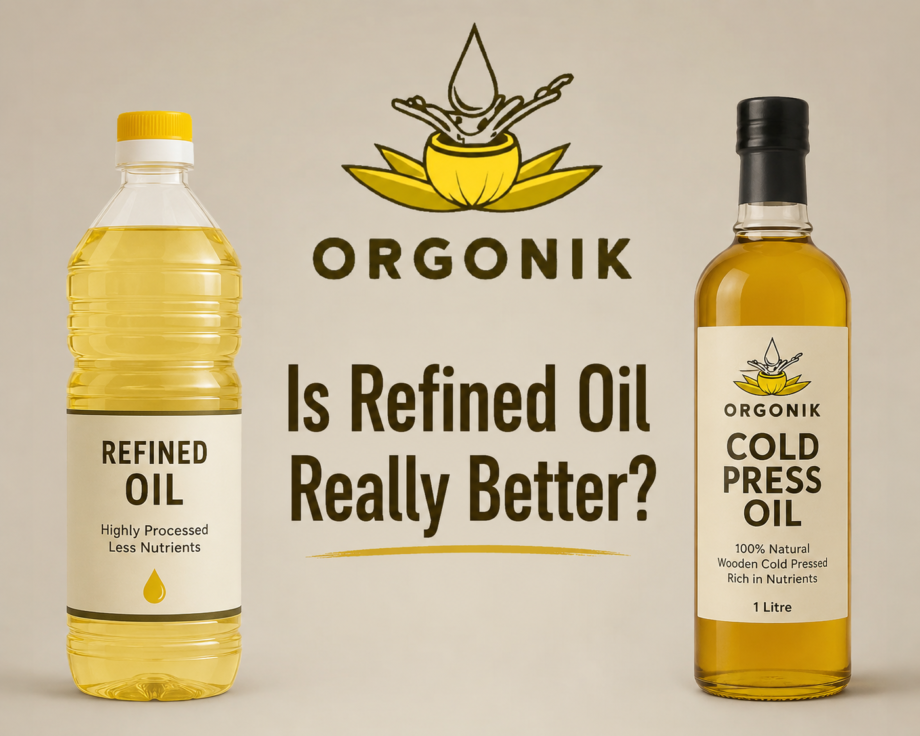
Walk into any supermarket, and you will find shelves filled with different types of cooking oils labeled as refined, pure, heart-friendly, or cholesterol-free. Many people assume that refined oil is automatically healthier because it looks clear, has a longer shelf life, and is widely advertised. But is refined oil really better? The answer is not as straightforward as it seems.
What is Refined Oil?
Refined oil is oil that has undergone several industrial processes to remove impurities, odor, color, and unwanted substances. The refining process generally includes:
- Degumming – Removing gums and phospholipids.
- Neutralization – Eliminating free fatty acids.
- Bleaching – Removing pigments and impurities.
- Deodorization – Eliminating strong odors and flavors using high temperatures.
These steps produce a clear, neutral-tasting oil that can be stored for long periods.
Advantages of Refined Oil
1. Longer Shelf Life
Refined oils resist spoilage better than unrefined oils, making them convenient for storage and commercial use.
2. Higher Smoke Point
Most refined oils can withstand higher cooking temperatures, making them suitable for deep frying and high-heat cooking methods.
3. Neutral Flavor
Since refining removes strong tastes and aromas, refined oils do not alter the flavor of food significantly.
4. Consistent Quality
Industrial refining ensures that the oil maintains a uniform appearance and quality across batches.
Disadvantages of Refined Oil
1. Loss of Nutrients
The refining process can reduce naturally occurring nutrients such as:
- Vitamin E
- Antioxidants
- Polyphenols
- Beneficial plant compounds
These nutrients contribute to overall health and help protect cells from damage.
2. Chemical Processing
Some refining methods involve the use of chemical solvents and high temperatures. While regulatory agencies consider refined oils safe when processed correctly, critics argue that excessive processing may diminish their nutritional value.
3. Misleading Health Claims
Labels such as “cholesterol-free” can be confusing. All plant-based oils, whether refined or unrefined, naturally contain no cholesterol.
Unrefined and Cold-Pressed Oils
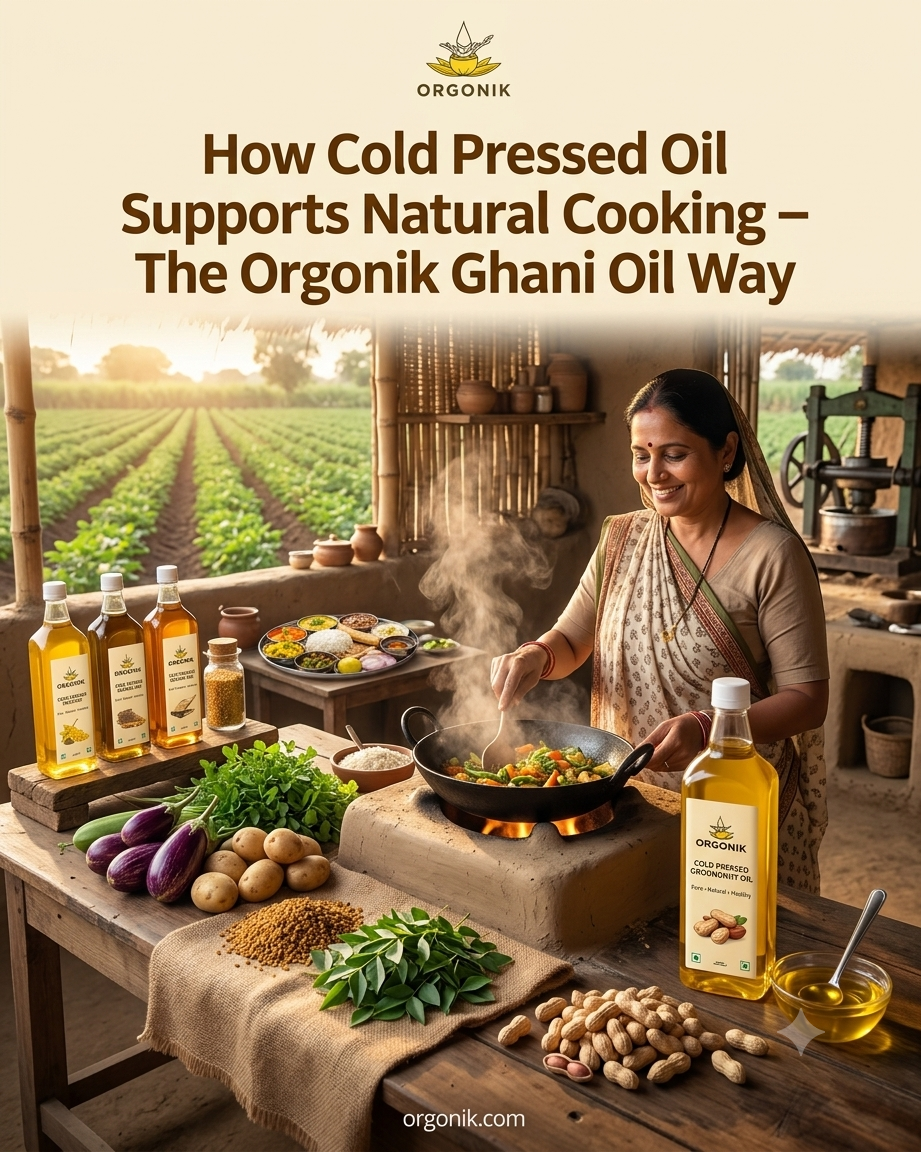
Unrefined or cold-pressed oils are extracted with minimal heat and processing. They generally retain more nutrients, antioxidants, and natural flavors.
Examples include:
- Cold-pressed mustard oil
- Extra virgin olive oil
- Cold-pressed coconut oil
- Sesame oil
However, these oils often have a shorter shelf life and lower smoke points, making them less suitable for certain cooking methods.
Which is Better?
There is no single oil that is best for every purpose.
| Purpose | Recommended Oil Type |
|---|---|
| Deep frying | Refined oils with high smoke points |
| Salad dressings | Extra virgin or cold-pressed oils |
| Everyday cooking | A mix of refined and cold-pressed oils |
| Nutrient retention | Cold-pressed oils |
Moderation is also important. Consuming excessive amounts of any oil, refined or unrefined, can contribute to weight gain and health issues.
Conclusion
Refined oil is not necessarily better or worse than unrefined oil—it depends on how it is used. Refined oils offer convenience, stability, and suitability for high-temperature cooking, while cold-pressed and minimally processed oils provide more natural nutrients and antioxidants. A balanced approach that includes different types of oils for different cooking needs is often the most practical and health-conscious choice.
Rather than relying solely on marketing claims, consumers should understand how oils are processed and choose options that best fit their dietary habits and cooking methods.