
A Healthy Guide by Orgonik Cold Pressed Oils, Vadodara
Cooking oil is one of the most important ingredients in every kitchen. Whether you’re frying snacks, making vegetables, or preparing traditional Indian dishes, the quality of oil directly affects the taste and health benefits of your food.
Many families reuse cooking oil multiple times without realizing that overused oil can lose its nutritional value and may even become harmful. So, how often should cooking oil be changed?
Let’s understand the facts.
Why Does Cooking Oil Need to Be Changed?
When oil is heated repeatedly, it undergoes chemical changes. High temperatures break down beneficial nutrients and create compounds that can affect both flavor and health.
Signs that cooking oil has degraded include:
- Darker color than usual
- Thick or sticky texture
- Strong burnt smell
- Excessive smoke while heating
- Bitter or unpleasant taste in food
Using degraded oil regularly can reduce food quality and increase the intake of unwanted compounds.
How Many Times Can Cooking Oil Be Reused?
For deep frying, it is generally recommended to reuse oil no more than 2–3 times.
However, this depends on:
- Type of oil used
- Frying temperature
- Type of food being fried
- Filtration and storage practices
Foods with batter or moisture release particles into the oil, causing it to deteriorate faster.
Why Cold Pressed Oils Perform Better
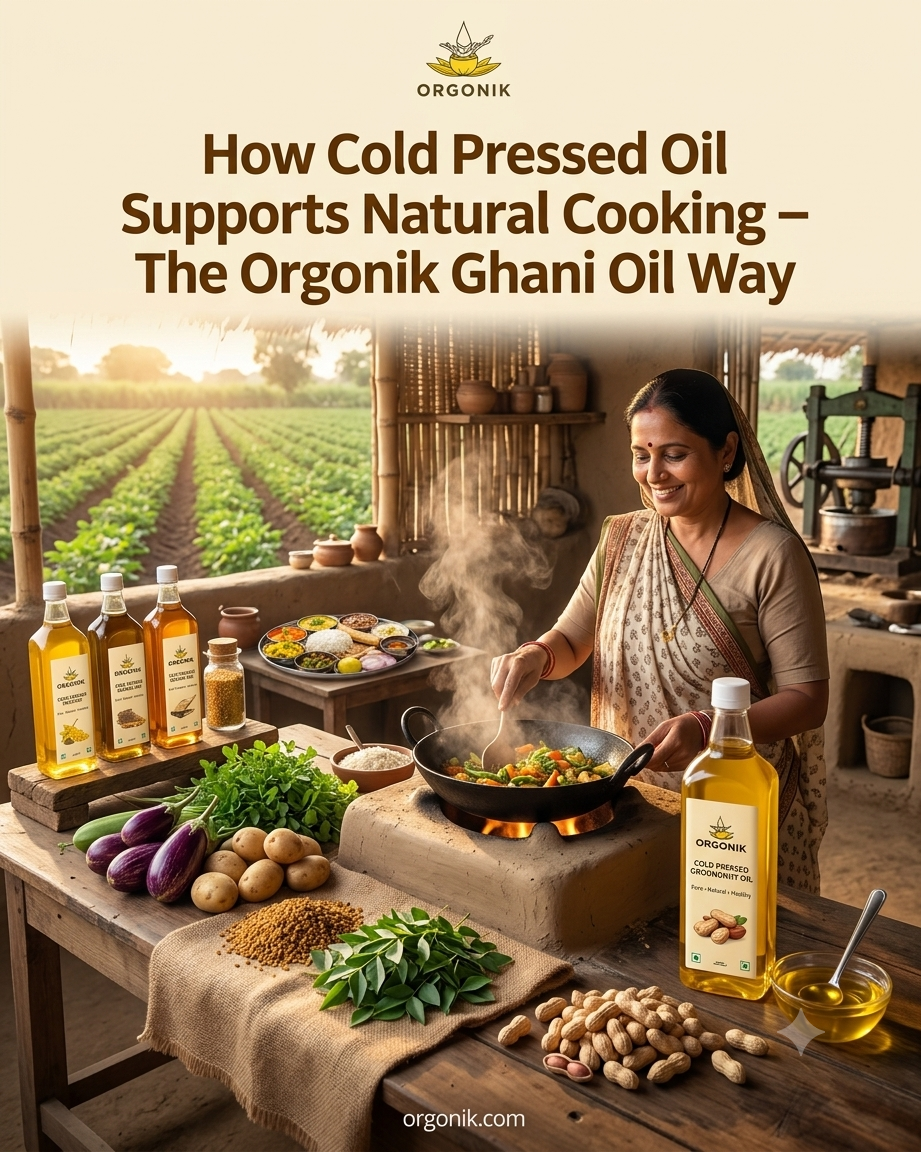
Cold pressed oils are extracted naturally without excessive heat or chemicals. This helps retain their natural nutrients, antioxidants, and authentic flavor.
At Orgonik Cold Pressed Oils, we produce oils using traditional cold pressing methods to preserve purity and quality.
Benefits of cold pressed oils include:
- Naturally rich in nutrients
- No chemical refining
- Better flavor and aroma
- Suitable for daily cooking
- Supports a healthier lifestyle
Tips to Extend the Life of Cooking Oil
1. Avoid Overheating
Excessively high temperatures damage oil quickly. Cook at the recommended temperature whenever possible.
2. Filter After Frying
Remove food particles using a fine strainer before storing used oil.
3. Store Properly
Keep oil in a clean, airtight container away from sunlight and heat.
4. Do Not Mix Old and Fresh Oil
Mixing degraded oil with fresh oil reduces the quality of the entire batch.
5. Watch for Warning Signs
If the oil smells burnt, becomes very dark, or smokes excessively, discard it.
Which Cold Pressed Oil Is Best for Daily Cooking?
The choice depends on your cooking style:
Cold Pressed Groundnut Oil
Excellent for Indian cooking, frying, and everyday meals.
Cold Pressed Sunflower Oil
Light texture and suitable for regular cooking.
Cold Pressed Coconut Oil
Ideal for South Indian dishes and certain traditional recipes.
Cold Pressed Black Sesame Oil
Rich flavor and commonly used in traditional cooking and wellness practices.
The Orgonik Difference
At Orgonik Cold Pressed Oils, we believe that healthy cooking starts with pure ingredients. Our oils are extracted using traditional methods without chemical refining, preserving their natural goodness.
We proudly serve health-conscious families from our Bhayli, Vadodara location and are committed to delivering fresh, authentic cold pressed oils.
Final Thoughts
Changing cooking oil at the right time is essential for maintaining both taste and health. While oil can be reused carefully for a limited number of times, fresh cold pressed oil always provides the best nutritional value and cooking experience.
Choose purity. Choose freshness. Choose Orgonik Cold Pressed Oils for healthier everyday cooking.
Orgonik Cold Pressed Oils – Naturally Pure, Traditionally Crafted.